2,000 JPY 〜/24 hours
3.00

1

1/6
2/6

3/6

4/6

5/6
6/6
Cycling in Shinjuku! From the tourist information center [INBOUND LEAGUE] which is in a good location and takes 20 minutes to Shinjuku Gyoen, Meiji Jingu and Yoyogi Park.
Tokyo/Shinjuku, Shijuku-ku
2,000 JPY 〜
/1 person1,000 JPY 〜
/1 person (child)3.00 (0)
Description
Why don't you enjoy sightseeing in Shinjuku more easily by cycling? We [INBOUND LEAGUE] have a good selection of bikes with good design and functionality at reasonable prices. If you have a bike, it takes 5 minutes from our building to Shinjuku Gyoen, 15 minutes to Meiji Shrine, 20 minutes to Yoyogi Park, and 15 minutes to the Tokyo Metropolitan Government Building! The city of Shinjuku is always crowded, but if you ride a motorcycle and feel the wind, it will surely be a different sightseeing.
Inquire about an experience tour or its booking requirements up-front
Contact a HostRequired time
180 minutes
※Please come on time
Host name
INBOUND LEAGUE 受付
INBOUND LEAGUEは、小田急グループのUDSが運営する複合施設です。
インバウンドをテーマとした当館では、1階に観光案内所を構え、ローカルの魅力を伝えられるようなイベントの企画や、ツアー情報の提供を行っています。
大都会として知られている新宿ですが、周辺には自然と共存している観光名所がいくつも点在しています。
東京都内での観光地として大変人気なスポットですので、是非体験してみてください。
ご利用をお待ちしております!
Required Equipment
特になし
Equipments provided by host
3種類から選べる自転車 ※貸し出し状況によっては種類が限られます。
Eligibility
自転車に乗られる方
Supported Languages
英語
Note
Cancellation Deadline
17:00, 2 days before (Japanese time)
If you cancel your reservation after the Cancellation Deadline, cancellation fee will be applied. Cancellation rate can be checked here
In case of raining
Will cancel
Depending on weather condition, the host will decide whether the activity would be cancelled at least 4 hours before starting time. Cancellation notification will be presented in your My Page, and we will also inform you via emailAvailability status
Please click a date to see the availability of car
Sun | Mon | Tue | Wed | Thu | Fri | Sat |
|---|---|---|---|---|---|---|
30 | 1 | 2 | 3 | 4 | 5 | 6 |
7 | 8 | 9 | 10 | 11 | 12 | 13 |
14 | 15 | 16 | 17 | 18 | 19 | 20 |
21 | 22 | 23 | 24 | 25 | 26 | 27 |
28 | 29 | 30 | 31 | 1 | 2 | 3 |
Sun | Mon | Tue | Wed | Thu | Fri | Sat |
|---|---|---|---|---|---|---|
28 | 29 | 30 | 31 | 1 | 2 | 3 |
4 | 5 | 6 | 7 | 8 | 9 | 10 |
11 | 12 | 13 | 14 | 15 | 16 | 17 |
18 | 19 | 20 | 21 | 22 | 23 | 24 |
25 | 26 | 27 | 28 | 29 | 30 | 31 |
Meeting Place
INBOUND LEAGUE 1F
Reviews
There is not yet review
2,000 JPY 〜
/1 person1,000 JPY 〜
/1 person (child)3.00 (0)
Find available dates
Sun | Mon | Tue | Wed | Thu | Fri | Sat |
|---|---|---|---|---|---|---|
30 | 1 | 2 | 3 | 4 | 5 | 6 |
7 | 8 | 9 | 10 | 11 | 12 | 13 |
14 | 15 | 16 | 17 | 18 | 19 | 20 |
21 | 22 | 23 | 24 | 25 | 26 | 27 |
28 | 29 | 30 | 31 | 1 | 2 | 3 |
Select time
Number of people
Login and proceed to checkout
Nearby Car Night Spots

Overnight stay
Overnight stay
Overnight stay
Overnight stay
Overnight stay
Tent night
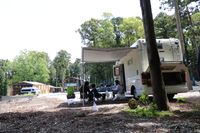
Tent night
Kanyo Inn (first, second and third-class rooms options)
¥20,000〜
/ per nightChiba Ken Norocho, Chiba Shi Wakaba Ku
3.0
(0)Overnight stay
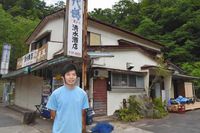
Overnight stay
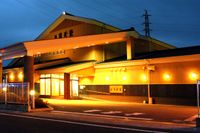
Tent night
Overnight stay
Overnight stay
Camping
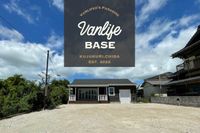
Vanlife BASE | 45 min. from Narita Airport / Perfect for campervan travel/A seaside town rich in nature/Japanese countryside town/welcome traveler
¥7,000〜
/ per nightChiba Koseki, Kujukuri-machi, Sambu-gun
5.0
(61)Tent night
Overnight stay
Overnight stay
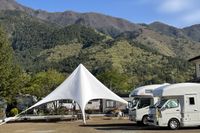
Kawaguchiko Yatai Village
¥2,500〜
/ per nightYamanashi Kawaguchi, Fujikawaguchiko Town, Minamitsuru District
4.5
(58)Overnight stay
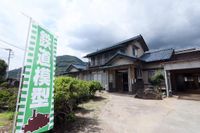
Railway Guest House Tetsunoya (hot spring available)
¥3,000〜
/ per nightYamanashi Shizume, Kasugai-cho, Fuefuki City
5.0
(15)Overnight stay
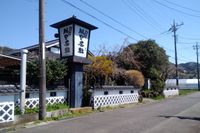
Izunokuni City Nirayama "Dining Daikan Yashiki"
¥4,000〜
/ per nightSHizuoka Nirayamayamaki, Izunokuni City
4.8
(8)Nearby Activities
Activity
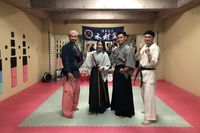
Activity

Activity
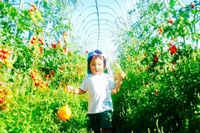
Organic Vegetable Picking at Microbe-NaturalFarmers
¥2,500〜
/ per personKanagawa Ken Fukuda, Yamato Shi
3.0
(0)Activity
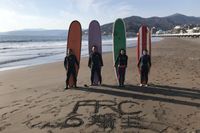
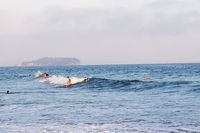
FRC Surf School (Beginners Welcome!)
¥5,400〜
/ per personKanagawa Ken Kugenuma Kaigan, Fujisawa Shi
3.0
(0)Activity

Activity
Activity
Activity
Ranking Stations
Tent night

Overnight stay

Overnight stay
Overnight stay
Tent night
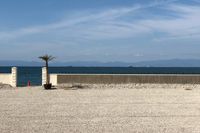
(Bonfire BBQ) Chita Mihama Noma Beach Station
¥3,500〜
/ per nightAichi Noma, Mihamacho, Chita County
4.7
(42)Camping
Vanlife BASE | 45 min. from Narita Airport / Perfect for campervan travel/A seaside town rich in nature/Japanese countryside town/welcome traveler
¥7,000〜
/ per nightChiba Koseki, Kujukuri-machi, Sambu-gun
5.0
(61)Overnight stay
Nearby Drive Spots
History
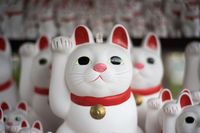
Gotokuji Temple
This is a Soto sect temple built in 1480 by Kira Masatada. It is said to be the birth place of the "Maneki-Neko" (waving cat) where there is a legend that Ii Naosuke built a temple here when invited by a cat to escape from a great thunderstorm. The temple contains thousands of Maneki-Neko, and is the only temple where the cats are revered.
History
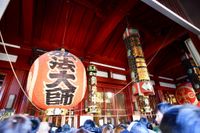
Kawasaki Daishi Heikenji Temple
This is a temple, which was built in 1128 by the Hirama Kanenori. The temple was a mainstay for the Shingon sect and founded by Kukai, a famous Japanese poet. During a historical pilgrimage known as the 88 places of Kanto, the temple was designated as a special sacred site, and the Tokugawa family visited here during the Edo period(1603-1868). Even now, a great many people visit this shrine for the "Hatsumoude" (new years temple visit)
Spot
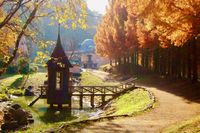
Tove Jansson Akebono Children's Forest Park
This is a park that is a recreation of Moomin's world (a famous cartoon originating from Finland), in Hanno, Saitama. Within the park, there is a "Moomin Mansion" where there is an exhibition dedicated to the author, Tove Jansson, as well as historical items relating to Moomin itself.
Spot
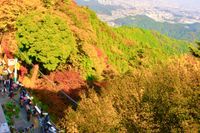
Mount Takao
This is a 599m high holy mountain of the Shugendo religion (a fusion religion that originated in Heian Japan). The area was open to the public from 744 AD where Takao-san Yakuoin (a buddhist temple) was built. It is known as Tokyo's top autumn leaf spot, and has received three stars from the Michelin tourism guide. The area is also famous as a habit for the Japanese flying squirrel.
History
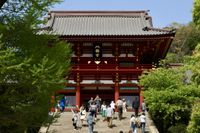
Tsurugaoka Hachimangu
This is a temple that was established in 1063 by Minamoto Yoshitsune. It houses the Yawata God known as Emperor Ojin HimegamiEmpress Jingu. The temple was central to the Kamakura Bakufu, which was started by Minamoto Yoritomo, and was known as guardian deity of Minamoto clan, a Kamakura Samurai. Under the reconstruction of the Hojo clan and Tokugawa families, the temple remains the heart of Kamakura and a place of respite and hope for many.
Spot
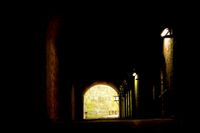
Sarushima Island
This is Tokyo's only uninhabited island, in Yokosuka. The area was used for defense during the war, and there is evidence of this that can be seen today. The place is named "Sarushima" (Monkey Island). While there are no monkeys inhabiting the island these days, it is said that a priest named Nichiren was saved by monkeys when traveling to this island during the Kamakura era(1185-1333), hence the name.
History
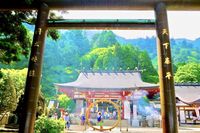
Oyama Afuri Shrine
This shrine was built in 200BC. It houses the Gods Oyamatsumino-okami (Mountain God)Takaokamino-kami (Water God)Oikazuchino-kami (Thunder God) . Historically the mountain was considered a place of worship, and was visited by all types, from warriors to common people. Minamoto Yoritomo offered a sword to defeat Taira clan, and it is said that from this the culture of "Osamedachi" (sword offering) was born, and its influence can even be seen in Japanese Rakugo comedy and Ukiyo-e art.
Spot
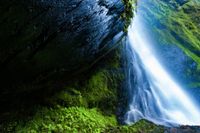
Mitsugama Falls
This area contains three impressive waterfalls in Okutama, with a height of around 12.5m. It is truly an area to get away from the hustle and bustle of the city, with just the wind, water and the chirping of the birds. There are larger waterfalls in the upstream area, and the area is ideal of hiking.
History
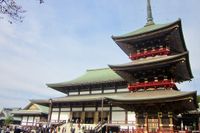
Naritasan Shinsho-ji Temple
This is a temple of the Shingon sect which was founded in 940 by Kancho. Naritasan opened as a place of worship and reverence to Fudo Myoo and with a wish to end the battle of Taira Masakado. Ichikawa family became named as the "Narita-ya" in 1688 after the prayers of Kabuki actor Ichikawa Danjuro were finally answered and he was blessed with a son. It is a temple full of sights and views, with a triple tower, a large tower of peace, and Naritasan Park itself.
History
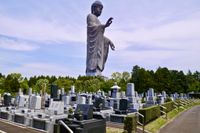
Ushiku Daibutsu
This is a buddha statue of Jodo Shinshu Hongganji sect opened in 1989 by Otani Kosho. At 120 meters tall, it is the tallest buddha statue in Japan, and the third tallest in the world, as per the Guinness World Record. Inside on the 1st to 5th floors, there are several exhibitions about the history of Buddhism as well as interactive exhibitions. There is also an observation deck at the top. Visitors can experience the natural life around them with the seasonal flora and fauna in the surrounding area.
History
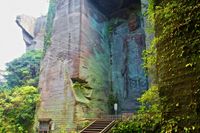
Mount Nokogiri Nihon-ji Temple
This is a temple of the Soto sect which was founded in 725 AD by Gyoki. The Buddha is of the Yakushi Nyorai, with Ryoben, a Buddhist monk, making Daikokuten statues from wood, Kukai, the founder of Shingon sect, making them from Stone, and Ennin, a priest, making the Kongourikishi statues. It is famous for the great buddha statue at 31 meters high, built in 1783, as well as the 1553 stone buddha statues and the viewpoint at Boso peninsula known as "peeking into hell".
Spot
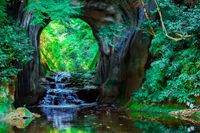
Kameiwa Cave
This is an unexplored stream area near Kimitsu City. The stream cave was created in the Edo era(1603-1868) to supply water to supply water to the paddy fields. The name comes from the fact that the rock formations look like turtles. When the sun rises in the morning, the light shines into the cave, making it a must see area in the early morning.
Spot
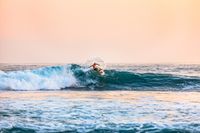
Kujukuri Beach
This is a beach on the eastern Boso Peninsula. The total length is 66 kilometres. The name of "Kujukurihama" (99 Ri beach) is said to come from the fact that Minamoto Yoritomo ordered the length of the beach to be 99 "ri" (one ri being about 660m) and stuck 99 arrows in the sand. The area is now used as a regular beach by visitors, as well as for surfing and triathlons.
Spot
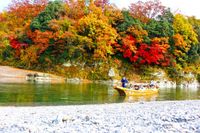
Nagatoro Gorge
This is a famous valley in the upper part of the 6km Arakawa river, in Chichibu. The area is famous for its rock formations and visitors can enjoy canoeing, rafting and campings. The area is famous for its fresh water shaved ice and miso pickled pork. In autumn, one can enjoy the autumn leaves as well as apple picking.
Spot
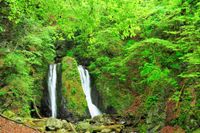
Kosuge Odaki Falls
Follow a 15-minute river trail deep into a thicket of shioji trees until it reveals a majestic rock, where the rapid of Tama River breaks in half and forms an absolutely breathtaking twin waterfall display. Kosuge Odaki Falls truly is a sight to behold and a favorite of many photographers.
Onsen
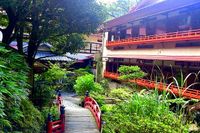
Hakone Onsen
This is an old spring Bath at the base of Hakone Volcano. It is a treasured area that has 20 hot spring baths, known as the Hakone Ni-ju-yu. The area has 1,300 years of history, and is famous due to Toyotomi Hideyoshi going to this area. During the Edo era(1603-1868), the area prospered as a hot spring spot in the Tokaido area, and was also revered by the house of the Tokugawa family.
History
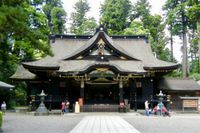
Katori Jingu Shrine
It is a Shinto shrine that is said to have been built by the emperor of the first generation Jinmu around 650 BC. It is the main shrine of Katori Shrine group, of which there are 400 nationwide. The shrine God "Futsunushi no Kami" was revered as a warrior during the successive samurai regimes of Minamoto Yoritomo and Ashikaga Takauji, amongst others. Even these days, the shrine remains a place of worship and reverence for martial artists, and there are numerous cultural treasures here, such as the Kaijubudokyo, a sort of ancient medallion with imagery of marine creatures.
Spot
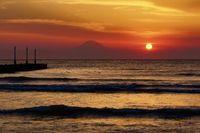
Okinoshima Beach
This is a beach area with a coastal area on both sides, with clam waves. It is situated along the sand strip between the mainland and Okinoshima, near Tateyama City. Visitors can enjoy snorkeling and diving, and viewing the corals that inhabit the area. The area is particularly beautiful at night.
Spot
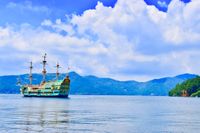
Lake Ashinoko
This is a lake situated in Hakone. The Hakone Shrine can be found here as well as resort areas and other points of interest. Mount Fuji can also be viewed from here. Pleasure boats themed on pirate ships are also becoming popular in the area, as well as it being the end goal in the Hakone Ekiden annual marathon, and the start of the route back.
History
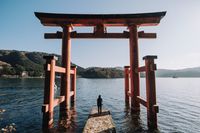
Hakone Shirne
This is a shrine built in 757 by Mangan. It is said to house the God named "Ninigi", as well as the Gods "Konohana-Sakuyahime" and "Hikoho Hodemi no Mikoto". Mangan is also worshipped as a protector God after having slayed the nine headed dragon that ravished Lake Ashinoko. One of the most striking sights is the "Heiwa no Torii(The Gate of Peace)", built in 1952, that appear to float in the Lake Ashinoko.