2,000 JPY 〜/24 hours
3.00

1

1/5
2/5

3/5

4/5

5/5
All you can eat rice balls and rice reaping in the rice field in the mountains
Shiga/Fujise, Taga-cho Inukami-gun
2,000 JPY 〜
/1 person1,000 JPY 〜
/1 person (child)3.00 (0)
Description
We will hold a rice harvesting experience from 10 o'clock on Saturday, September 7, 2019. Farmers will explain the process until you can eat it as rice, and they will also explain the agricultural machines used in each process. After that, we cut rice with a sickle and put it on a rice rack for about an hour. For lunch, we use newly harvested rice, choose the ingredients each of us wants to eat, and make a rice ball and eat it! You can play in the river nearby in the afternoon.
Inquire about an experience tour or its booking requirements up-front
Contact a HostRequired time
300 minutes
※Please come on time
Host name
シロガイ
生まれ育ったいなかで、いろんな方が集まり交流できるような自然体験を提供しています。
農業体験(田植え、稲刈り)、林業体験(薪割、シイタケ植付)、川遊びなどを提供しています。
稲刈りをしながら、お米として食べられるまでの工程を理解します。
お昼ごはんには新米を使って、各自握ったおにぎりが食べ放題です。新米の本当のおいしさを感じてください。
また大人の方の参加費には、新米1kgのお土産付きです。
Required Equipment
帽子、汚れてもいい服装、軍手、タオル、日焼け止め
Equipments provided by host
鎌、おにぎり
Eligibility
Any
Supported Languages
Japanese
Note
Cancellation Deadline
17:00, 2 days before (Japanese time)
If you cancel your reservation after the Cancellation Deadline, cancellation fee will be applied. Cancellation rate can be checked here
In case of raining
Will not cancel
Availability status
Please click a date to see the availability of car
Sun | Mon | Tue | Wed | Thu | Fri | Sat |
|---|---|---|---|---|---|---|
30 | 1 | 2 | 3 | 4 | 5 | 6 |
7 | 8 | 9 | 10 | 11 | 12 | 13 |
14 | 15 | 16 | 17 | 18 | 19 | 20 |
21 | 22 | 23 | 24 | 25 | 26 | 27 |
28 | 29 | 30 | 31 | 1 | 2 | 3 |
Sun | Mon | Tue | Wed | Thu | Fri | Sat |
|---|---|---|---|---|---|---|
28 | 29 | 30 | 31 | 1 | 2 | 3 |
4 | 5 | 6 | 7 | 8 | 9 | 10 |
11 | 12 | 13 | 14 | 15 | 16 | 17 |
18 | 19 | 20 | 21 | 22 | 23 | 24 |
25 | 26 | 27 | 28 | 29 | 30 | 31 |
Meeting Place
藤瀬公民館(滋賀県犬上郡多賀町藤瀬)
Reviews
There is not yet review
2,000 JPY 〜
/1 person1,000 JPY 〜
/1 person (child)3.00 (0)
Find available dates
Sun | Mon | Tue | Wed | Thu | Fri | Sat |
|---|---|---|---|---|---|---|
30 | 1 | 2 | 3 | 4 | 5 | 6 |
7 | 8 | 9 | 10 | 11 | 12 | 13 |
14 | 15 | 16 | 17 | 18 | 19 | 20 |
21 | 22 | 23 | 24 | 25 | 26 | 27 |
28 | 29 | 30 | 31 | 1 | 2 | 3 |
Select time
Number of people
Login and proceed to checkout
Nearby Car Night Spots

Overnight stay
Overnight stay
Overnight stay

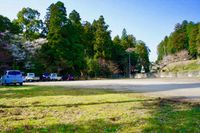
Shin Meishin Suzuka PA (inbound) RV Station Suzuka * With Power!
¥2,200〜
/ per nightMie Yamamotocho, Suzuka-shi
4.3
(155)Overnight stay
Tent night
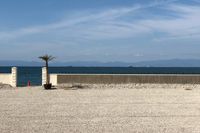
(Bonfire BBQ) Chita Mihama Noma Beach Station
¥3,500〜
/ per nightAichi Noma, Mihamacho, Chita County
4.7
(42)Overnight stay
Overnight stay
Overnight stay
Overnight stay
Overnight stay
Nearby Activities
Activity
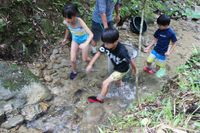
Catch and eat char in a beautiful valley in the mountains
¥2,000〜
/ per personShiga Fujise, Taga-cho Inukami-gun
3.0
(0)Ranking Stations
Tent night

Overnight stay

Overnight stay
Overnight stay

Camping
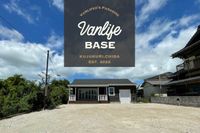
Vanlife BASE | 45 min. from Narita Airport / Perfect for campervan travel/A seaside town rich in nature/Japanese countryside town/welcome traveler
¥7,000〜
/ per nightChiba Koseki, Kujukuri-machi, Sambu-gun
5.0
(61)Tent night
(Bonfire BBQ) Chita Mihama Noma Beach Station
¥3,500〜
/ per nightAichi Noma, Mihamacho, Chita County
4.7
(42)Overnight stay
Overnight stay
Nearby Drive Spots
History
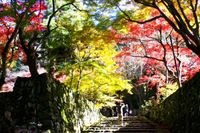
Saimyoji Temple
A Tendai sect temple built by Sanshu in 834 AD. The primary object of worship is Yakushi Nyorai, and Minamoto Yoritomo is said to have come here to pray for war victory. Along with the temples Kongorinji Temple and Hyakusaiji Temple, it is one of the "Koutousanzan" destinations (east lake three mountains). It is also famous for autumn leaf viewing, attracting numerous visitors each year.
History
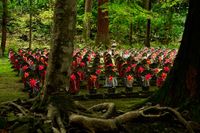
Kongorinji Temple
This is a Tendai sect temple built in 741 by Gyoki. The object of worship is Sho Kannon and after it became assigned as a holy place of Buddhist training by the Ennin Priest who practiced at Mount Hiei, it became the branch temple of Enryakuji Temple. It is famous for the countless Ksitigarbha (buddha that looks over children, travelers and the underworld) known as the "Thousand Jizou". As the main hall is separated from the main gate, it is thought that it escaped burning down from the attack of Oda Nobunaga.
History
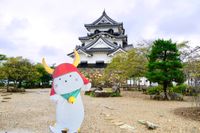
Hikone Castle
This is a castle that was built by Ii Naokatsu in 1622. It is famous as one of Japan's only 12 remaining castles, and is one of five that is designated as a national treasure. From the top of the tower, visitors can see magnificent views of Lake Biwa, There is also a moor boat that is still in use, from which Hikone Castle can be viewed, and whose views can be enjoyed along with the seasons.
Spot
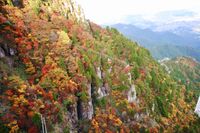
Mount Gozaisho
This is a mountain 1,212 meters in height, on the border between Mie and Shiga prefectures. In Spring there are the azalea and spring blossoms, summer brings the red dragonflies, autumn has its red, orange and yellow leaves, and winter brings frost covered trees. Tounaiheki is a famous rock climbing area in this mountain, and hiking can be enjoyed here during any of the four seasons. ※御在所岳 紅葉 © 菰野町 クリエイティブコモンズライセンス(表示4.0 国際)https://creativecommons.org/licenses/by/4.0/
History
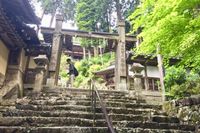
Ikiyasan Chomeiji Temple
This is a Tendai sect temple that was built in 619 AD under the instruction of Prince Shotoku. The objects of worship are Senju Kannon(1000 Armed), Juichimen Kannnon(11-faced) and Sho Kannon and is a hidden temple not normally well known. From the Lake Biwa coast up to the main temple hall there are about 800 steps, known as the "808 steps". The temple is said to bring long life as the pronunciation of the name "Choumei" which is the name of the temple, means "long life" in Japanese.
History
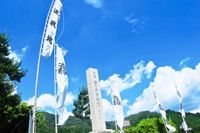
Sekigahara Battlefield
Here we can witness historical traces of the "Battle of Sekigahara" which is said to be one of the greatest and fiercest battles in Japan's history after the political strife following the death of Toyotomi Hideyoshi in 1600. The East Army (Tokugawa Ieyasu, Tokugawa Hidetada, Yuki Hideyasu, Kuroda Nagamasa) and the West Army (Mori MototeruIshida MitsunariUkita HideieUesugi Kagekatsu) fought and Tokugawa Ieyasu ultimately obtained ultimate power. In 1603 he established the Edo Shogunate. There are numerous historical walking courses where visitors can see the battle paths and underground paths used.
History
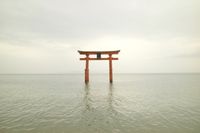
Shirahige Shrine
This is a shrine that is said to have been built in 5 BC. The shrine God is known as Sarutahiko no Mikoto, with the red/orange Torii gates appearing to float in Lake Biwa, which is known as "Itsukushima Shrine of Omi". It is a particularly good photo spot for photographers. The Torii gates were originally on dry land, but it is said that due to the increasing water levels of the lake, the Torii gates ended up being in the lake area.
History

Koga Ninja Village
This is a Koga Style Ninja Theme park that opened in 1983. Within the park, there is a Koga Ninja museum which houses the largest number of Ninja tools and exhibits in the world, as well as the original residence of the famous Ninja known as Fujibayashi Yasutake, which was deconstructed and rebuilt as a Ninja trick house. There are other sporting Ninja experiences available such as Shuriken sword fighting and "Mizugumo" - crossing rivers on small raft like objects.
Spot

Lake Biwa
This is a lake with the largest reservoir capacity in Shiga prefecture. It is said that the lake formed from around 4,000,000 to 6,000,000 years ago and provided a water supply to those that lived in the area from the Jomon period. The name comes from the fact that the shape of the lake resembles a Japanese musical instrument known as the Biwa.
Spot
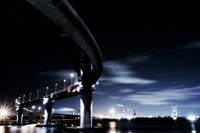
Yokkaichi Inaba Port Line
This is a new road that was opened on 1 April 2018 in Yokkaichi. There are various factories and oil plants along the road, creating a dramatic view. The night view has given it the name "Dragon road" and is quickly becoming popular among photographers. ※ドラゴンロード © Kenichi_Inagaki クリエイティブコモンズライセンス(表示4.0 国際)https://creativecommons.org/licenses/by/4.0/
History
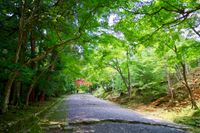
Hiyoshi Taisha Shrine
This is a shrine built in 91 BC. The western hall contains the main powerful God with the eastern hall contains the Mount Hiei guardian God. This is the main hub shrine of the 3,800 Hiyoshi, Hie and Sannno Shrines in Japan. There are numerous cultural items associated with monkeys, as they are considered as underlings to the shrine Gods. The area is also famous for autumn leaf viewing with around 3000 autumn leaf trees.
History
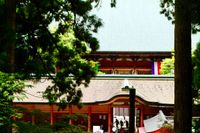
Mount Hiei Enryakuji Temple
This is a temple of Tendai that was founded by Saicho in 788 AD. It is also registered as a World Heritage Site. Along with Mount Koya Kongobuji Temple, it became the centre for Heian Buddhism and a place of training for figures such as Honen (founder of the Jodo sect), Shinran (founder of the Jodoshin sect), Eisai(Founder of the Rinzai sect), Dogen (founder of the Soto Sect), Nichiren (Founder of Nichiren Sect). Because of this it is also known as the "Mother Mountain of Japanese Buddhism" and sacred buddhist teachings still continue to this day.
History
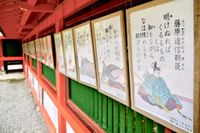
Omi Jingu Shrine
This is a shrine built in 1940 to commemorate the 2600th year of the Emperor Jinmu, who was crowned in 660 BC. The temple God is known as Emperor Tenji, who made the trip from Asuka to Omi in 667 AD. After the Emperor Tenji wrote the Ogura Anthology of One Hundred Tanka‐poems by One Hundred Poets, it became a venue for playing Karuta (a variety of card games, normally played around new years). It is also the setting for the anime "Chihayafuru", and many fans of the anime make the pilgrimage here.
History
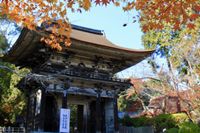
Nagarasan Onjoji Temple
This is a temple that was built in the 7th century under the instruction of Prince Yota. It is the head temple of the Tendai-jimon sect. From ancient times, battles and conflicts were waged with Hiei mountain Enryakuji Temple, and was confiscated by Toyotomi Hideyoshi. It is known as the "Phoenix Temple" due to overcoming numerous hardships and being rebuilt each time. Starting with the main hall, the temple contains 10 national treasures and 42 items of designated cultural importance.
History
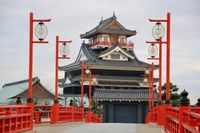
Kiyosu Castle
This is a castle founded in 1405 by Shiba Yoshishige. It was widely known as the headquarters of Oda Nobunaga in 1555, and subsequently the Toyotomi and Tokugawa families became the castle owners, and it was used until 1613. The present castle tower reproduces the ornate Momoyama culture of the Azuchi-Momoyama period(1568-1600).
History
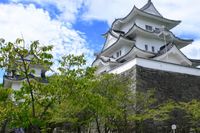
Iga Ueno Castle
This is a castle that was built in 1585 under the order of Tsutsui Sadatsugu. During the Sengoku era(1467-1600), it was the main base for the Iga Ninjas, and is also known as "Hakuho castle" due to its white and elegant appearance. Underground there is an Iga Ninja museum where visitors can experience the true world of Ninjas.
History
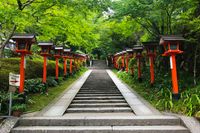
Kifune Shrine
This is the head shrine of the Kifune Shrine group, of which there are around 450 in Japan, although the construction date is unknown. The main shrine God was historically known as a rain God named "Takaokami no Kami", and worshipped as a bringer of rain and bountifulness. It is also said that drawings of horses were made on wood here, giving birth to the "Ema" which are the wooden plaques that one can see at many shrines with prayers written on them. Around 300 meters away from the main hall, one can visit "Yui Shrine", where there is another God that is said to bring destined couples together, known as Iwanagahime no Mikoto. The area is popular amongst couples.
History
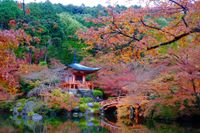
Daigoji Temple
This is a Shingon sect temple built by Shobo in 874 AD, and is a branch temple of Shingon sect head temple. Yakushi Nyorai is the primary object of worship, and the temple is registered as a World Heritage Site. Although it was destroyed during the unrest of the Muromachi Era(1336-1573), it was reconstructed as the stage of a famous play starring the hero Toyotomi Hideyoshi, known as the "Daigo no Hanami". It is also famous for cherry blossom viewing.
History
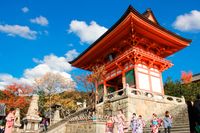
Kiyomizu-dera Temple
This is a Hosso sect temple built by Enchin in 778 AD. The temple is built is reverence to Senju Kannon(1000 Armed) and is registered as a World Heritage Site. There is also a 13 meter high famous hall known as the "Kiyomizu Stage", which was built under the instruction of Tokugawa Iemitsu, where it became the stage for performances such as Gagaku classical music, Noh theatre, Kyogen and Kabuki. The temple can be enjoyed in all four seasons with cherry blossoms, greenery, autumn leaves and snow views during the respective four seasons.
History
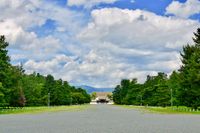
Kyoto Imperial Palace
For 500 years between 1392 and 1869, the various generations of emperors lived here, where public ceremonies were held and administration took place. Originally, the place began as a small hall known as "Tsuchimikado Higashi no Toindono", but was expanded by Ashikaga Yoshimitsu, an important Shogun in Japanese history. It was established by Oda Nobunaga and Hideyoshi Toyotomi, to become the place as it is seen today. It ended as a place of government when the Emperor Meiji and royal family moved to Tokyo in 1869, and became open to the public from August 2016.